
Never Heard of Sarcopenia? Let’s Fix That Before It Becomes a Problem.
If you’re in the second half of life and this is the first time you’re hearing the word “sarcopenia,” keep reading- this one’s worth five minutes of your time. Sarcopenia is the medical term for age-related muscle loss, and it’s closely tied to aging and a sedentary lifestyle. Here’s the part that matters most: it’s reversible. A consistent exercise routine, a balanced diet, and lower stress levels can turn it around and set you up for a longer, more capable, more independent life.
Why Muscle Loss Happens (And Why It Speeds Up After 50)
As we age, the body’s growth signals shift out of balance and growth slows, breakdown speeds up, and muscle loss becomes the default instead of the exception. In the first half of life, from infancy through young adulthood, your muscles are actively building to keep up with growth spurts and increasing strength demands. Once you hit the second half of life, that trend reverses: most people lose roughly 3% of their muscle strength every single year. Losing muscle strength doesn’t just affect the gym, It makes everyday activities like lifting groceries or climbing stairs noticeably harder.
Sarcopenia isn’t reserved for older adults, either. Anyone living an inactive lifestyle, recovering from illness, or dealing with limited mobility can experience it. Not eating enough calories or protein also puts you at risk, since muscle needs consistent, balanced nutrition to stay strong. Add chronic inflammation or severe stress to the mix, and muscle loss can accelerate even faster, which is exactly why strength training for women over 50 has to go hand in hand with how you eat and how you manage stress and not exist on its own.
Signs You Might Be Dealing With Sarcopenia
Always check in with your healthcare provider for an official read, but here are a few telltale signs worth paying attention to:
– Feeling noticeably weaker or struggling to lift everyday objects like jars or canned goods
– Trouble gripping or turning things like shower knobs or a steering wheel
– Getting winded or exhausted more easily after a normal walk
None of this is meant to alarm you. It’s meant to help you catch it early, because sarcopenia does not have to be permanent.
How to Reverse Muscle Loss After 50
The good news: a nutrient-rich diet with plenty of protein( plant-based or animal) combined with regular exercise can reverse muscle loss and improve mobility at any age. You don’t need to obsess over calorie counting. You do need to eat enough to fuel strength, stamina, and muscle maintenance, because under-eating undermines every workout you put in.
For exercise, the winning combination is cardio, strength training, and balance work together- not just one of the three. Here’s a realistic way to start:
**Week one:** One 30-minute session a week is a perfectly legitimate starting point. Build from there as your stamina and endurance improve.
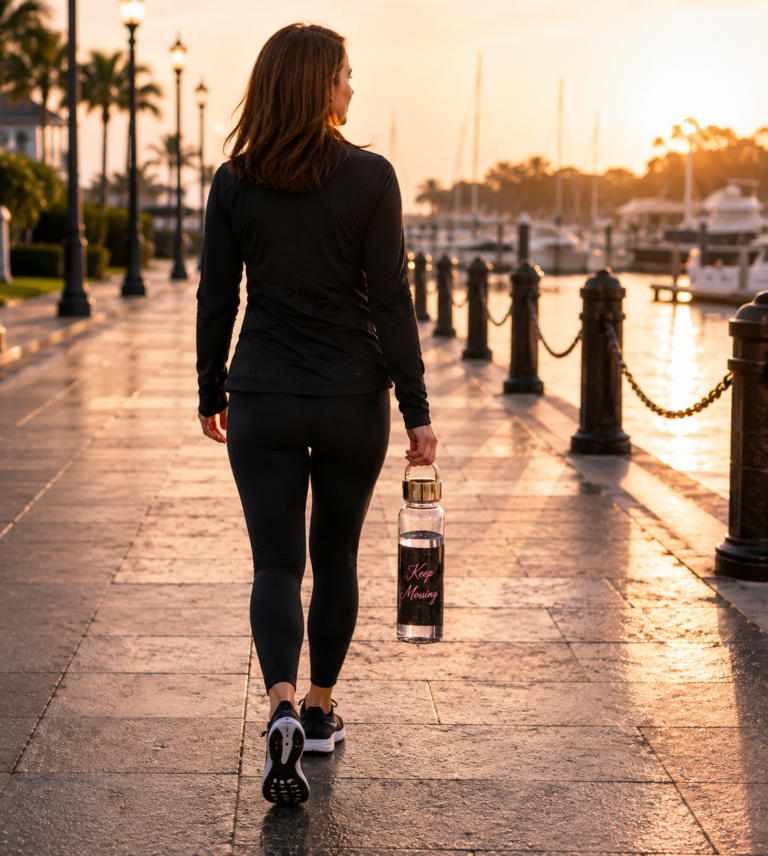
**Cardio that fits your level:** If hiking, jogging, or cycling feel like too much right now, start with walking around your neighborhood or a local park. It counts, and it works.
**Group fitness for structure:** Classes that combine resistance bands with balance drills are a smart entry point before progressing to light weight lifting.
**Low-impact strength and balance:** Floor mat workouts like yoga and barre are beginner-friendly ways to build balance and stability while you build confidence.
**Progress over time:** Work up to two or more sessions a week to get the most benefit and rebuild muscle stronger than before.
And don’t skip recovery. Rest days aren’t wasted days. They’re when your muscles actually rebuild and your hard work pays off.
Sarcopenia might sound scary the first time you hear it. But now you know what it is, how to spot it, and exactly what to do about it. That’s the whole game.
**Save this post so you can revisit your plan, and comment below: what’s one strength move you’re adding to your routine this week?**